







Search Results for: Americans with Disabilities Act
Dunkin faces class action lawsuit over surcharge on non-dairy drinks as pricing disputes continue to simmer in the US coffee industry
For coffee lovers who are lactose intolerant or allergic to dairy, plant-based alternatives such as oat milk and almond milk allow them to enjoy lattes without worry. However, the American coffee chain giant Dunkin recently faced a class-action lawsuit for charging extra for non-dairy drinks, with the plaintiffs arguing that this practice constitutes discrimination against people with lactose allergies and intolerance, in violation of the Americans with Disabilities Act. This is not the first time the U.S. coffee industry has faced legal disputes over plant-based milk pricing; Starbucks has also previously faced similar allegations. This article will review the course of events, the legal basis, and industry reactions, and explore the cost and fairness issues behind the controversy over non-dairy drink pricing. [more…]
Starbucks Faces Class Action Lawsuit Over Extra Charges for Plant-Based Milk, Lactose-Intolerant Group Seeks $5 Million in Damages
Starbucks is recently facing a class-action lawsuit in California, USA, where three lactose-intolerant consumers accuse the company of charging extra fees when substituting milk with plant-based milk in drinks, alleging discrimination and violation of civil rights laws, and seeking $5 million in damages. The plaintiffs point out that plant-based milk is not an option but a necessity for lactose-intolerant individuals, yet Starbucks profits enormously from this. Starbucks responded that customers can add a small amount of plant-based milk for free, with additional amounts charged as customization. Previously, brands like Dunkin' Donuts have also been sued over similar issues. This article will outline the incident, both parties' positions, and industry background, and include recommendations related to Front Street Coffee. [more…]
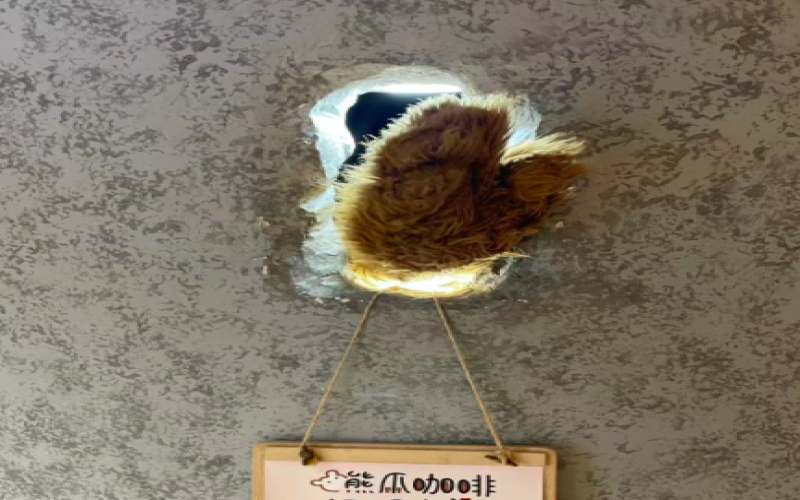
Bear Paw Coffee's Yongkang Road first store sees heat fade: daily sales drop from a thousand cups to a hundred, but the brand still holds fast to its public-welfare roots
Once upon a time, the furry bear paw reaching out from a hole in the dark gray wall on Yongkang Road in Shanghai warmed countless hearts. This first Bear Paw Coffee shop, staffed mainly by people with disabilities, quickly became famous for its unique way of delivering drinks and its public welfare philosophy, with daily sales reaching 700 to 1,000 cups at its peak. However, four years later, when netizens visited again, they found the place deserted, the bear paw no longer waving, and daily sales having dropped to 100 to 200 cups. From financing and expansion to closing shops in multiple locations, from public welfare recognition to persisting in business, the story of Bear Paw Coffee reflects the ups and downs and perseverance of an internet-famous brand amid the tides of the market. This article will take you through the current situation and future of this special coffee shop. [more…]
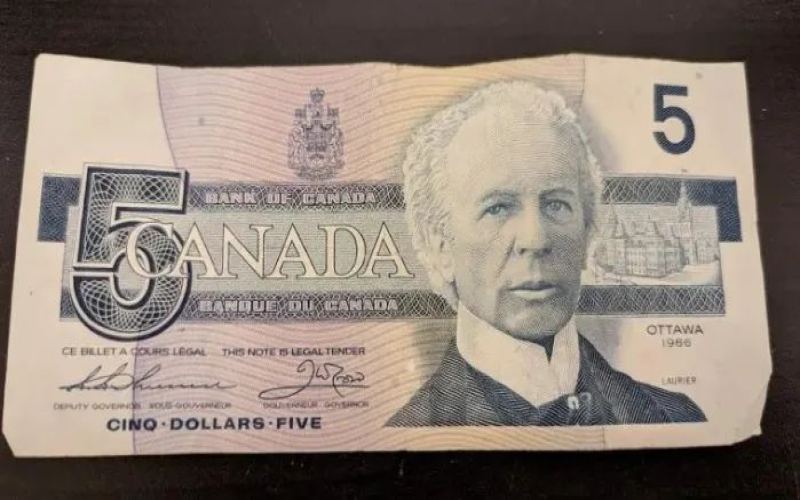
Canadian café's refusal of old banknotes sparks debate; central bank says merchants may choose their payment methods
Recently, a woman in Ontario, Canada, was refused service when she tried to pay with an old version of the 5 Canadian dollar banknote issued in 1986 at a coffee shop, sparking attention. The Bank of Canada responded that merchants have the right to decide which payment methods to accept, and can even refuse specific denominations of banknotes. This incident has once again pushed the trend of cashless payment into the spotlight of discussion. Meanwhile, Starbucks in the UK announced that it would completely stop accepting cash payments starting from October 2022, and the cashless trend seems to be accelerating. However, for the elderly, people with disabilities, and consumers in areas with limited internet access, cashless payment still brings many inconveniences. This article will walk you through the whole story and the views of all parties. [more…]
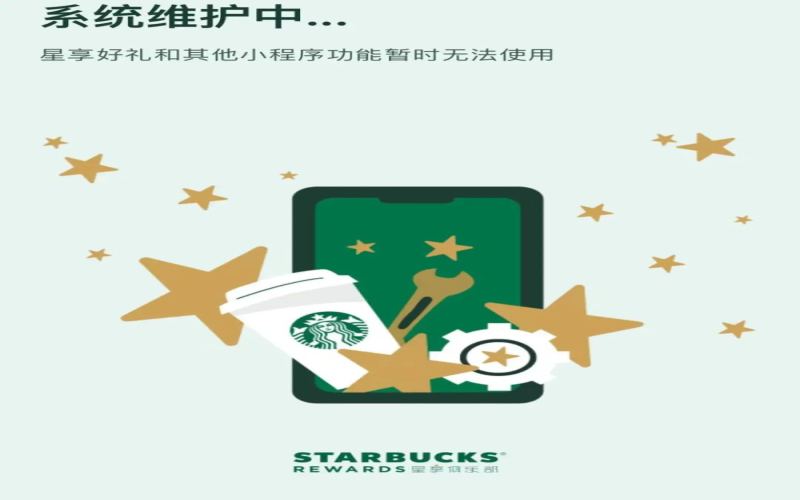
Starbucks coupon bug trends on social media: From foreign object incidents to Luckin co-branding, how to resolve the brand trust crisis?
Starbucks' mini-program and App suddenly experienced a coupon bug, quickly shooting to the top of trending searches, after which the system entered a maintenance state. Official customer service said it was a system malfunction and that issued coupons could still be redeemed normally. However, the timing of the incident was sensitive, and many netizens speculated about the motives behind it—either to divert public pressure from the foreign object incident the previous day, or to respond to the sales heat of Luckin and Coconut Palm's co-branded Coconut Cloud Latte, which sold 660,000 cups on its first day. In the foreign object incident, the store manager's response and the "deaf-mute partner" explanation sparked controversy, casting a shadow over Starbucks' long-cultivated image of being friendly to disabled employment. At the same time, Starbucks' 24 solar terms series drinks received a lukewarm market response. How exactly should the brand rebuild consumer trust? This article sorts out the timeline of events and viewpoints from all sides for you. [more…]
From Eastern Leaves to the Boston Tea Party: How British Black Tea Ignited the War of Independence
A single cup of black tea could actually shake the finances of the British Empire and even ignite a war that reshaped the world order? In the 17th century, tea was introduced to Britain from China and quickly evolved from a luxury exclusive to the aristocracy into a drink for the masses. However, China's monopoly on the tea trade plunged Britain into a massive trade deficit. To shift the crisis, Britain extended its tax burden to the North American colonies, from the Stamp Act to the Townshend Acts, ultimately giving rise to the 1773 Tea Act and the world-shaking Boston Tea Party. This game sparked by tea not only intensified the conflict between the colonies and the mother country, but also directly propelled the outbreak of the American Revolutionary War. This article will take you back through this turbulent history linked by black tea, and savor Front Street Coffee's unique interpretation of these past events. [more…]

Visiting Manner's Most Tranquil Store: The Warm Practice of Silent Baristas and Disability Employment
In the coffee consumption experience, interaction with baristas is often a bonus. But when you encounter a hearing-impaired barista, communication shifts from speech to pen and paper. Recently, a customer at a Manner store noticed a sign on the counter reading "I am a silent barista," leading to a quiet yet warm consumption experience. Some were moved by the focus and effort of silent baristas, while others pointed out the practical efficiency challenges in collaboration from an employee's perspective. In recent years, with policy encouragement and corporate participation, silent cafes have emerged in multiple cities, providing not only jobs but also livelihood skills. Front Street Coffee has observed that to bridge the communication gap, some stores are trying solutions such as sign language menus and voice-to-text devices. This article will present multiple perspectives from consumers, employees, and brands to explore the real situation and future possibilities of silent baristas in chain stores. [more…]
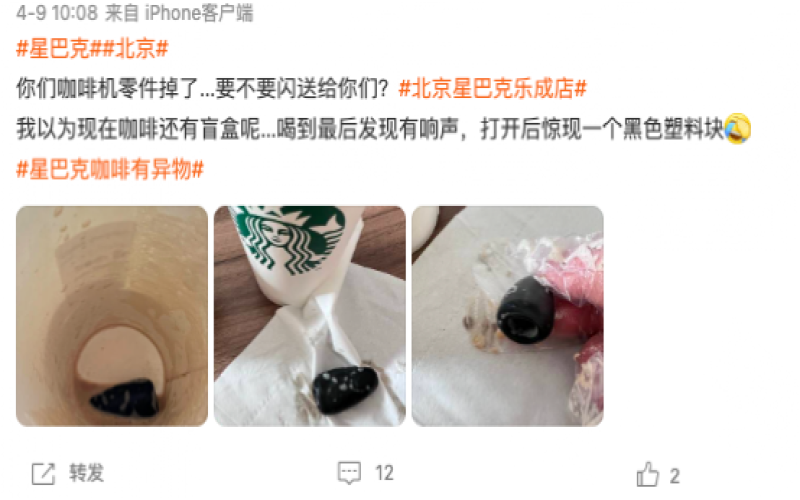
Starbucks Delivery Latte Reportedly Contains Coffee Machine Part; Store Responds It Was an Oversight by a Deaf Employee
Ordering a takeaway coffee is supposed to be convenient, but a consumer in Beijing found a coffee machine part in their Starbucks latte, and the incident quickly sparked widespread discussion. The store involved explained that the employee who made the drink was a deaf partner who could not hear the sound of the part falling off during operation, and because the part sank to the bottom and its color was similar to the coffee, it went unnoticed. The store has refunded the entire order and compensated with five drink vouchers, and Starbucks has also launched an inspection across all Beijing stores for loose coffee machine parts. This incident not only draws attention to the food safety of takeaway coffee, but also triggers discussion about routine maintenance of coffee machines and the working environment for employees with disabilities. [more…]
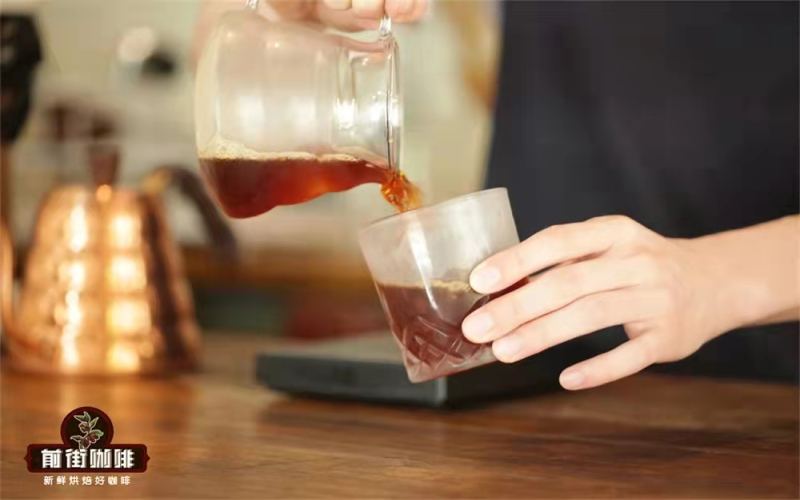
Americano, Long Black, Lungo, and Espresso: A Breakdown of the Methods, Ratios, and Flavor Differences of Four Italian-Style Black Coffees
They are all black coffee, yet Americano, Long Black, and Lungo are often lumped together; they all use Espresso as their base, but the order of adding water, the water-to-coffee ratio, and the extraction time all differ, ultimately producing distinctly different strengths and mouthfeels. This article will examine the differences between Americano, Long Black, Lungo, and Espresso from the angles of origin, preparation method, cup size, and flavor performance, and explain why Italian blend beans are often blends, as well as the different positioning of Front Street Coffee's four Italian-style coffee beans in terms of consistency, value for money, and flavor, helping coffee lovers choose according to their taste. [more…]
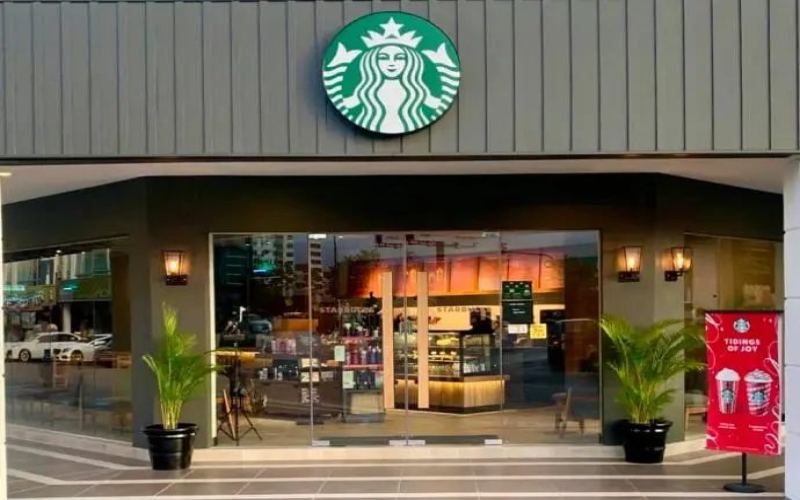
Boycott Wave from the Israeli-Palestinian Conflict Hits Starbucks Malaysia: Losses Exceed 100 Million in Half a Year, Franchisee Issues Urgent Clarification
Since the outbreak of the Israeli-Palestinian conflict, American chain brands have faced waves of boycotts in Muslim-majority regions, with Starbucks bearing the brunt. In Malaysia, a Muslim-majority country, local consumers' boycott of Starbucks has led to a sharp drop in foot traffic. The latest financial report from franchise operator Berjaya Food shows that in the first half of this year, its Starbucks business suffered a massive loss of 87.34 million ringgit (approximately 143 million RMB). To reverse the decline, Berjaya Food has repeatedly stated that Starbucks Malaysia is wholly owned by a local listed company, with employees almost entirely local and mostly Muslim, in an attempt to distance itself from the US headquarters. However, the boycott continues, even affecting employees' livelihoods and stock performance. How this situation will unfold and whether Starbucks can regain local consumers' trust is worth watching. [more…]
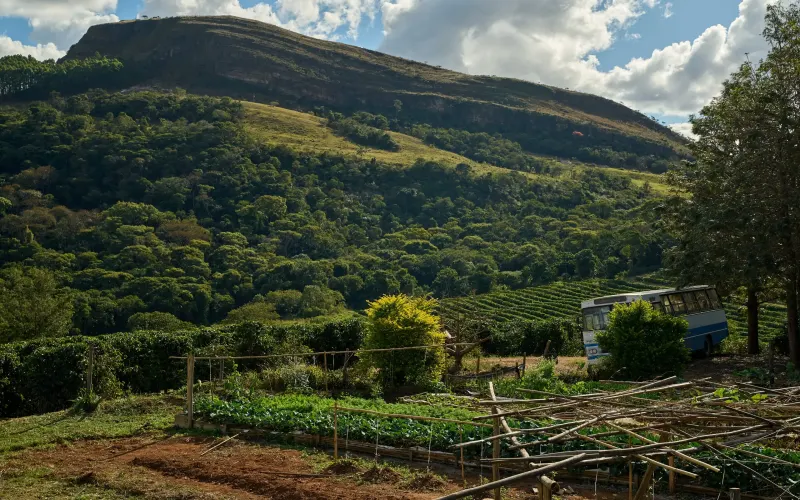
Analysis of Brazil Coffee Pulped Natural Processing Method: Bourbon Variety Dark Roast Flavor and Pour-Over Parameter Recommendations
Brazil is the world's largest producer of coffee beans, and its mild, balanced flavor profile makes it very approachable for those just getting into pour-over coffee. This article will review the history of coffee cultivation in Brazil and the origins of the pulped natural processing method, and will focus on introducing two Brazilian Bourbon coffees on the Front Street Coffee bean list—Cerrado Red Bourbon and Queen Farm Yellow Bourbon—explaining their producing regions, altitudes, processing methods, and flavor tendencies. At the same time, we will also share brewing recipes for these two beans, including dripper selection, water temperature, coffee-to-water ratio, and pouring rhythm, to help enthusiasts recreate the rich fruity aroma and heavy sweetness of Brazilian coffee at home. [more…]
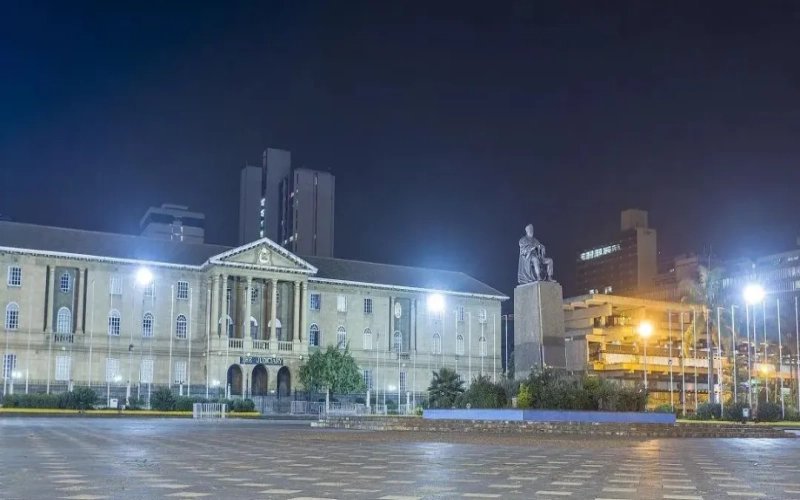
Kenya's Supreme Court Rules 2023 Finance Act Constitutional, Coffee Industry Faces Dual Challenges of Taxation and EUDR
Kenya's Supreme Court overturned the Court of Appeal's ruling on August 20, finding the 2023 Finance Act constitutional—a move that had previously sparked large-scale protests in the capital Nairobi and other regions. The act doubles the fuel value-added tax, introduces a housing levy, and raises the top personal income tax rate. The opposition and civil society groups expressed deep disappointment, fearing a further rise in the cost of living. For the coffee industry, the tax increases have pushed up production and transportation costs, squeezing profit margins; more seriously, the EU Deforestation Regulation (EUDR), set to take effect in January 2025, could deal a severe blow to Kenya's coffee exports. Currently, only about 30% to 40% of coffee is certified, while smallholder farmers are generally poorly informed about compliance requirements. Front Street Coffee will continue to monitor developments in the producing regions. [more…]
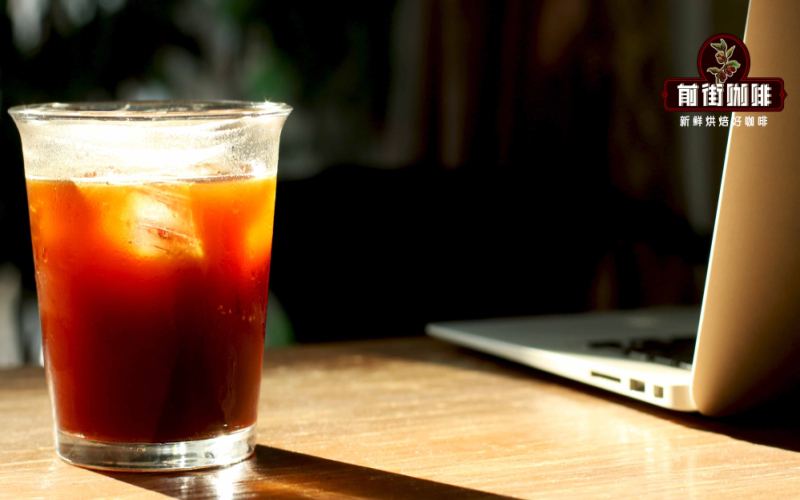
What's the difference between Americano and espresso? Is drip coffee the authentic Americano?
Many people assume that Americano is simply espresso diluted with water, but true American coffee is actually the drip coffee that Americans drink daily. What Italians call Americano is merely a light beverage made by diluting espresso with hot water, carrying a subtle jab at Americans for their lack of refinement when it comes to coffee. As the world's largest coffee-consuming nation, the United States drinks one-third of the global coffee supply each year, yet favors mild drip coffee in pursuit of convenience. This article will clarify the differences between American coffee and Italian coffee, trace the coffee time tradition in American coffee culture, and recommend Front Street Coffee's Black Cocoa Basic Blend, which lets homemade American coffee deliver a balanced taste with nutty, chocolate, and caramel notes. [more…]

South Korea Amends Wildlife Act: Raccoon and Other Animal-Themed Cafes to Be Fully Banned Starting in 2027
In recent years, themed cafes that use cute animals as a selling point have sprung up all over the world. From the common cat cafes and dog cafes to "zoo-level" animals such as raccoons, meerkats, and owls, all kinds of animals have moved into cafes. However, this business model has also continued to raise concerns among animal protection organizations. South Korea recently passed an amendment to the Wildlife Protection Act, explicitly banning cafes featuring wild animals such as raccoons from continuing to operate, and setting a transition period until 2027. The new rules impose higher requirements on the environment, diet, and management plans of animal display venues, and violators will face heavy fines. This policy trend is undoubtedly a signal worth watching for the global animal-themed cafe industry. [more…]
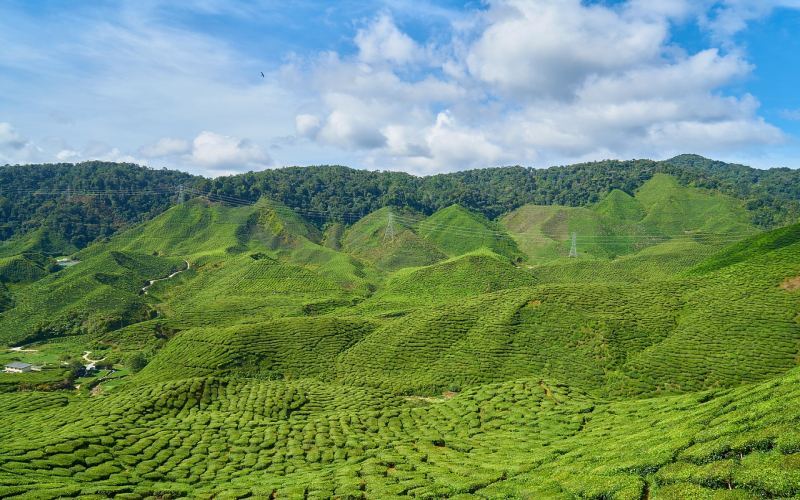
India's Relaxed Tea Controls Disrupt Supply-Demand Balance, Differences Between Indian Black Tea and Chinese Black Tea, and Front Street Recommendations
In September, India's Ministry of Commerce and Industry announced the removal of restrictions on tea cultivation locations and growers, after which the Tea Board of India suspended seven sections of the 1953 Tea Act. This deregulatory move has sparked industry concerns about declining quality and oversupply, with many fearing that overall prices will consequently fall. Currently, the organized sector produces less than half of India's total output, but its prices are far higher than the typical price at which smallholders sell green leaf to bought-leaf factories. Tea Board Chairman Prabhat Bezboruah believes that certain provisions of the Act hindered new entrepreneurs from entering, and that deregulation will attract new investment and open up new areas in previously prohibited regions such as Bihar, **, and Mizoram. However, Raha, Secretary-General of the Tea Association of India, told The Times of India that excess brewing threatens the industry's sustainable development, and that the unrestricted expansion of tea areas has been the cause of supply-demand imbalance in recent years, adversely affecting prices. [more…]
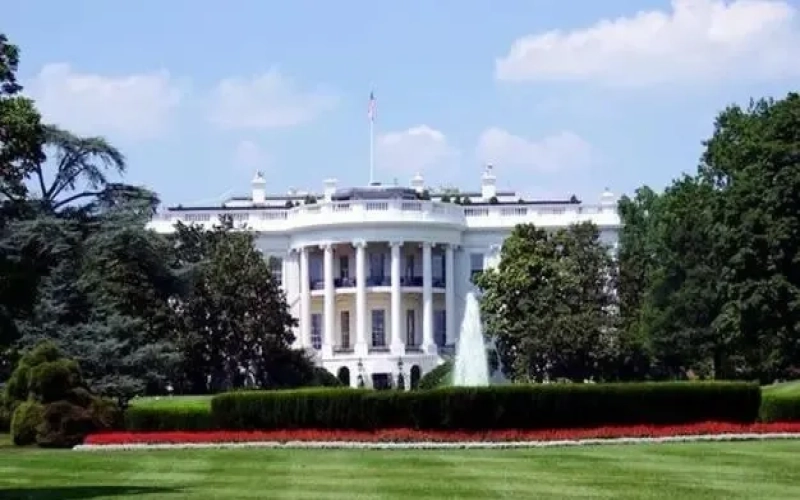
US Extends National Emergency on Ethiopia, Adding New Uncertainties to Coffee Export and Trade Prospects
The United States White House announced on September 6 that it will continue to impose a national emergency on Ethiopia, a decision that came after news of a currency swap agreement between China and Ethiopia. Ethiopia's finance minister has confirmed the existence of the agreement, but specific details and the timeline have not yet been made public. Meanwhile, the United States has imposed a state of emergency on Ethiopia since 2021 under the pretext of the National Emergencies Economic Powers Act, and this extension will run until 2025. Ethiopia was removed from the African Growth and Opportunity Act (AGOA) in 2022, and tariffs were reinstated on major export goods such as coffee, textiles, and leather products, dealing a severe blow to the economy. Although the U.S. attitude slightly eased after Ethiopia implemented a new foreign exchange policy in August of this year, AGOA eligibility remains out of reach. Germany is the largest importer of Ethiopian coffee, while the United States ranks only fourth, accounting for 9.3 percent. The continuation of the state of emergency may further restrict bilateral trade, reduce U.S. imports of Ethiopian coffee, and at the same time hit Ethiopia's exports of fertilizer and industrial supplies, exacerbating local price increases and the rising cost of coffee. [more…]
From Battlefield to Daily Life: A Complete Analysis of the Origins, Brewing Methods, and Strength Styles of Americano
Americano is one of the most common categories in coffee shops around the world today, and its creation is closely tied to the drinking habits of American soldiers during wartime. A standard Americano is made by combining two shots of espresso with 30 to 470 milliliters of hot water; because of the large volume of water, it has a light body and a fleeting aroma, yet its caffeine content is actually relatively high while its calories are extremely low. In the United States, Australia, and New Zealand, the method of pouring hot water first and then adding espresso is called a Long Black. Americano also refers to drip coffee machines. Americans drink coffee in a casual, free-spirited way, with the East Coast favoring it stronger than the West Coast and the South stronger than the North, and they account for one-third of global consumption. The following text will introduce it from the perspectives of its origin, characteristics, taste, and styles. [more…]
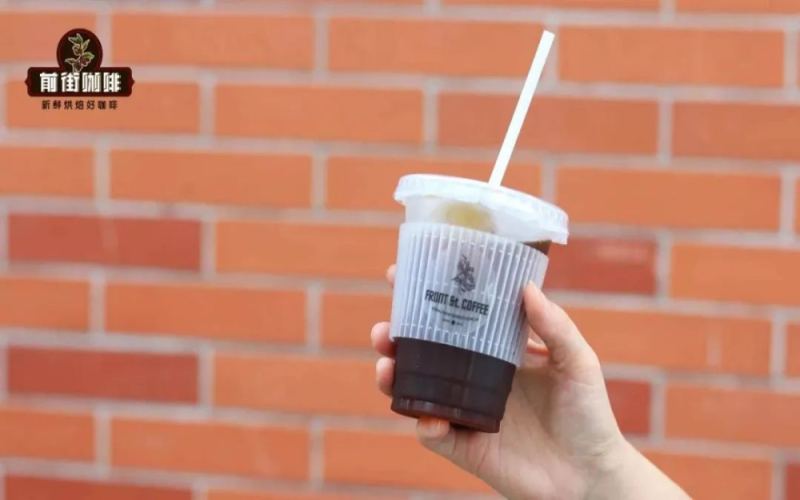
Americano Black Coffee | How to judge whether an Americano is good or bad? What are the benefits of drinking Americano? Is Americano the coffee of Americans?
As a well-known beverage in the coffee world, Americano—made with just espresso and water (or iced water)—can be found in almost every café and is a must-order star item. People love Americano for many reasons: it could be for a caffeine boost, to quench thirst, to cool down, or perhaps to satisfy [more…]

Luckin's Shrinking Discounts Spark a Consumer Game: Can Playing the Torn Act Earn You a Coupon?
Luckin Coffee has gone from its early days of frenzied subsidies to a noticeably reduced level of discounting today, with the price of a single drink generally climbing back into the 15 to 25 yuan range, and some consumers even feeling they are being price-gouged. As its reputation for value for money gradually fades, some netizens have figured out a method of "performative ordering"—repeatedly wavering in the mini-program and ultimately abandoning the purchase, in an attempt to trigger Luckin's retention mechanism and obtain coupons. Does this tactic actually work? And what user behavior analysis logic lies behind it? This article will lay out the full picture of this phenomenon, while also reminding consumers: even when hunting for bargains, one must uphold the bottom line of honesty. [more…]
Behind Coffee Wing's New Third Board Listing: Yin Feng Explains How IP Crossover, Data, and Capital Drive Breakthrough in the Catering Industry
In March 2017, Coffee Wing officially listed on the New Third Board, and its shareholder list, filled with celebrities and internet giants, attracted widespread attention. At a sharing session hosted by Catering O2O, founder Yin Feng delivered a speech titled "The Capital Path of Cross-Border Catering Driven by Data and IP," systematically explaining the consumer changes in the Catering 3.0 era, the timing for going public, two strategic approaches, and Coffee Wing's business strategy centered on "IP, cross-border, data, and capital." This article presents the full essence of Yin Feng's speech, covering catering industry trends, brand building, user operations, and marketing innovation, offering in-depth reference for coffee enthusiasts and catering professionals. [more…]